Follow us
Every three seconds. That's the rate at which someone in the world develops dementia today. And looking ahead, the number of people living with this disease is projected to rise from 55 million in 2020 to more than 139 million by 20501.
The reality is that while many of us are living longer, healthier lives thanks to continual improvements in health and social care, the global population is seeing an increasingly larger proportion of older people, a demographic often at higher risk of developing dementia.
According to recent data, dementia is the seventh leading cause of death and one of the major causes of disability and dependency among older people globally2. All of which begs the question: what can be done to turn the tide?
Reducing the risks
On paper, dementia is the umbrella term for several diseases affecting memory, thinking, behaviour and the ability to perform everyday activities. But in real terms, it's a condition that could potentially overwhelm society, impacting not only those living with it but also caregivers, families, communities, and healthcare systems.
Though there have been advances in recent years in terms of access to care, dementia is still an underdiagnosed and undertreated disease without a cure3. Identifying effective prevention strategies that can reduce population-level risk is becoming a growing priority for governments around the world.
Because while the numbers are rising, dementia is not an inevitable part of ageing. Research consistently indicates that it may be delayed or prevented by targeting a range of modifiable risk factors, both large and small.
Hearing loss has been identified as the single largest potentially modifiable risk factor for dementia.
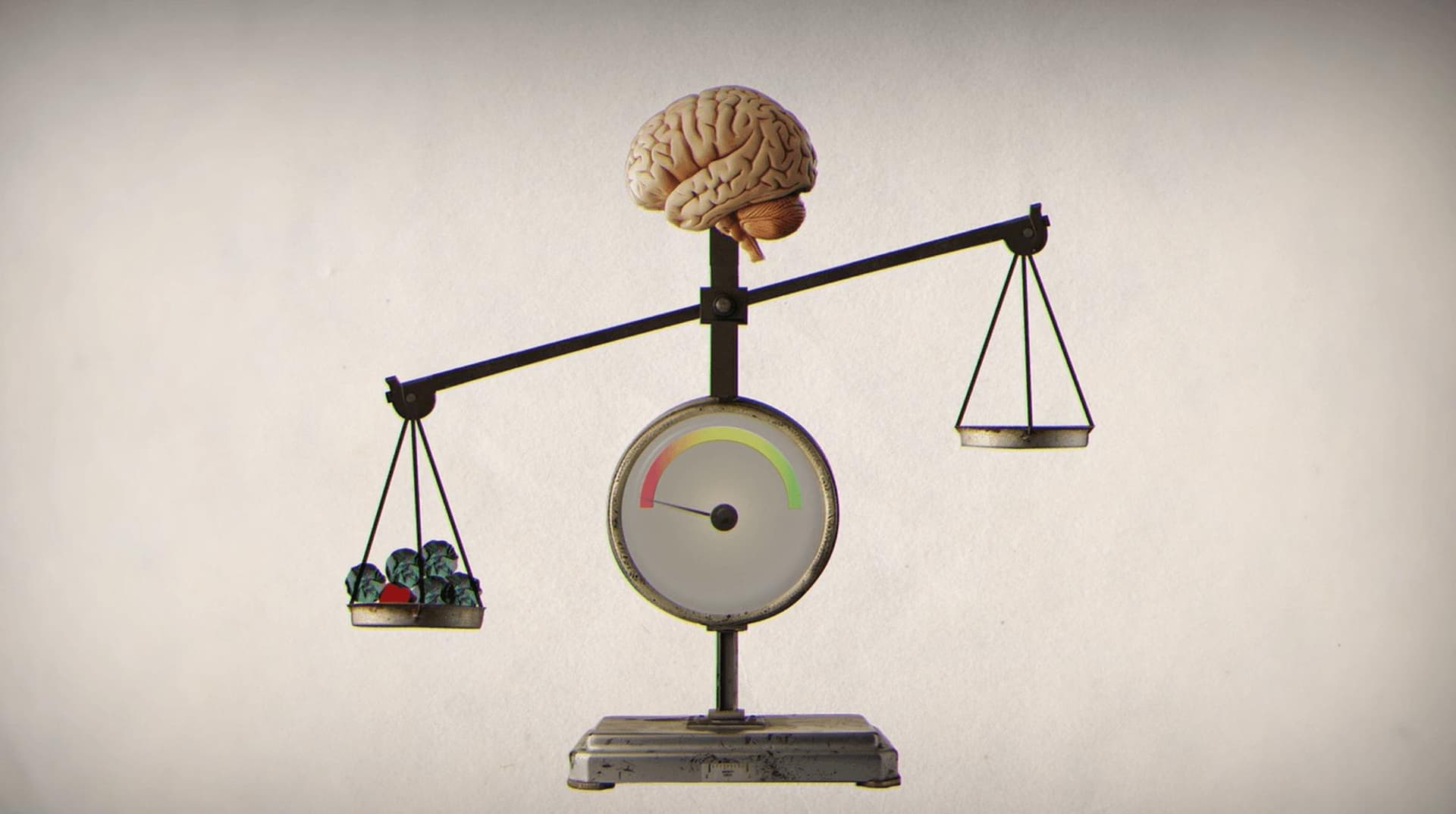
According to the 2020 Lancet report on dementia prevention, there are 12 potentially modifiable risk factors. These include everything from smoking, obesity and diabetes to excessive alcohol consumption, air pollution, and hearing impairment, the latter identified as the single largest factor.
The theory is that if all these risk factors could be modified, up to 40% of dementia cases worldwide might be prevented or delayed4. Given the available evidence, the Lancet report stresses that it is never too early or too late in life to think about dementia prevention.
Together acting early
It's clear that lifestyle factors such as education, diet, exercise, and social interaction are hugely important in reducing the risk of dementia. Yet the reality is that not all risk factors are easily modifiable by individuals on their own, despite their best intentions.
And considering the eye-watering projections for dementia, with annual costs now above US$1.3 trillion and expected to rise to US$2.8 trillion by 20305, public health bodies, policymakers and others will need to work decisively together to reduce both the human and economic costs of dementia.
One area where we can expect to see movement towards greater preventative management is within hearing and audiology. Particularly since recent research now offers evidence that treating hearing loss could slow the rate of cognitive decline for high-risk adults by almost 50%6.
An ear to the future
If the science continues to show that hearing intervention can significantly influence cognitive decline, then we can expect a future where digital tools, ambitious care partnerships, and innovative support services are more widespread within audiology.
This could mean more advanced hearing solutions, such as in-ear sensors and vocal biomarker technologies, using brain health data to support self-monitoring and earlier intervention.
Perhaps more importantly, we may also see major changes in the way audiology care is delivered, with greater awareness of holistic hearing health, increased access to hearing and cognitive screenings, and ultimately better patient outcomes.
Together, healthcare providers, policymakers, NGOs, and institutions can help drive the movement towards better hearing health.
To help drive this change, a new partnership landscape will be needed, bringing together healthcare providers, policymakers, NGOs, and institutions to advocate for hearing health as a critical part of overall health. This may enable earlier, more accurate dementia screening as well as improved pathways for cognitive decline interventions.
Shifting the narrative
All signs point to a potential large-scale shift in how society considers the value of hearing and hearing solutions, and that proactive hearing management and intervention could play a key role in reducing or even preventing the risk of developing dementia.
As this shift happens, audiology experts will not only be in a position to empower more people to take care of their hearing and cognitive health. They may also be at the forefront of prevention, supporting better outcomes for patients and caregivers while helping to alleviate the long-term societal costs of dementia.
Welcome to the future of hearing health.
As the hearing and dementia story evolves, what will this mean for patients?
We explore the implications here.
2 World Health Organization. Dementia. World Health Organization. Published March 2023. https://www.who.int/news-room/fact-sheets/detail/dementia
3 World Health Organization. Global action plan on the public health response to dementia 2017–2025. World Health Organization. Published 2017. https://apps.who.int/iris/handle/10665/259615
4 Livingston G, et al. Dementia prevention, intervention, and care: 2020 report of the Lancet Commission. Lancet. 2020;396(10248). https://www.thelancet.com/article/S0140-6736(20)30367-6/fulltext
5 Alzheimer's Disease International. Dementia statistics. Alzheimer's Disease International. Accessed November 2023. https://www.alzint.org/about/dementia-facts-figures/dementia-statistics/
6 Lin FR, Pike JR, Albert MS, et al. Hearing intervention versus health education control to reduce cognitive decline in older adults with hearing loss in the USA (ACHIEVE): a multicentre, randomised controlled trial. Lancet. Published online July 18, 2023. doi:10.1016/S0140-6736(23)01406-X