Follow us
As a hearing care professional, you'll know how crucial it is to have clear and carefully planned discussions with your patients. Because for many, talking about their hearing needs or concerns can be a sensitive topic.
And now, with new research further supporting the link between hearing loss and dementia, cognition is fast becoming a key topic in audiology. But does this mean everyone should be talking about it with patients?
If you've asked yourself this question, let's talk.
Do I really need to be thinking about dementia?
Jumping headfirst into a dialogue about dementia and any potential risk factors would be an alarming prospect for any patient. That's why it's always best to start and focus the discussion firmly around hearing care and its holistic benefits, including:
- How we hear and understand with our brain, as well as our ears
- How cognition is a key part of processing speech and interpreting sounds
- How helping your hearing can support cognitive function
- How good hearing health can positively impact overall quality of life
In this way, any conversation around hearing intervention can be framed as a positive and natural part of supporting hearing health, cognitive health, and overall wellbeing.
What if a patient brings up the cognition topic?
If you're talking with patients about noticeable hearing difficulties, conversation strain, or tiredness after socialising, cognition is already part of that discussion.
With ongoing research, we now know more about the relationship between hearing and cognitive health than ever before:
- Hearing loss is the largest potentially modifiable risk factor for dementia1
- Hearing aid users are at a lower risk of developing all-cause dementia2
- Hearing aids have been shown to slow the rate of cognitive decline by 48%3
However, for patients, what's perhaps more important is that these facts help them feel informed and empowered to take a proactive role in their hearing health.
How exactly can hearing loss affect the brain?
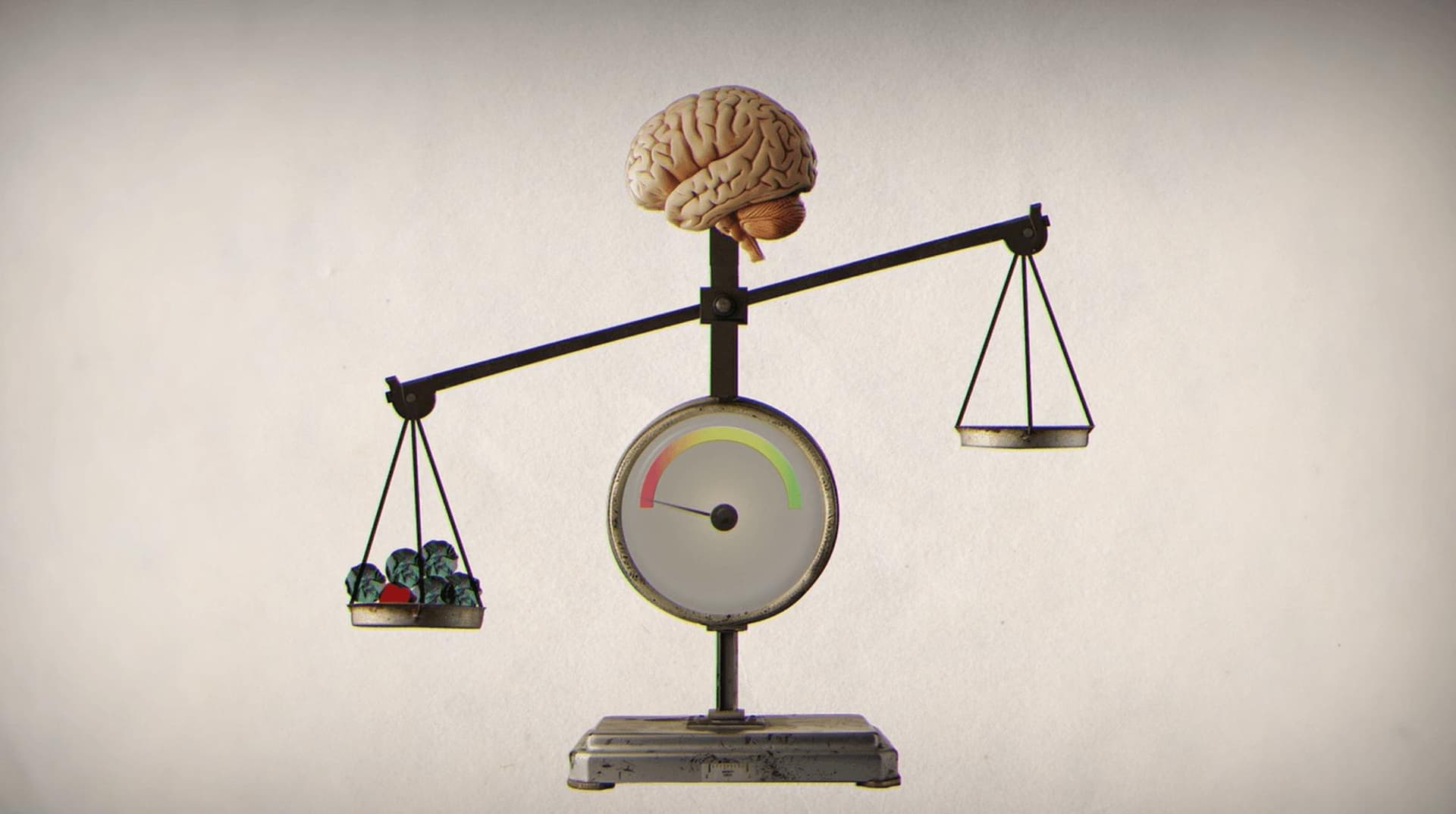
A common patient question is how hearing loss impacts the brain, or how helping hearing may support brain health. According to Johns Hopkins professor Dr Frank R. Lin, there are three main pathways linking hearing loss to cognitive impairment:
- Increased cognitive load, where poor hearing places additional strain on the brain
- Changes in brain structure and function due to reduced auditory input
- Social isolation resulting from hearing difficulties
The theory is that good hearing can influence all these pathways by reducing cognitive load, increasing stimulation, and supporting social engagement.
Should I be looking out for signs of decline?
It is well documented that dementia is often underdiagnosed, partly due to hesitancy and stigma4. There are also a range of common early signs of cognitive decline that can be detected5.
However, as a hearing care professional, it's important to remember that discussing cognitive health does not constitute a diagnosis.
If you're seeing a patient over multiple visits, this may be an opportunity to stay alert to potential hearing and cognitive issues that could require screening, referral, or further consultation.
Want to know more?
Look out for future LET'S TALK stories, where we'll explore practical tools and approaches to help integrate cognition into clinical conversations.
2 Bucholc M, McClean PL, et al. Association of the use of hearing aids with the conversion from mild cognitive impairment to dementia and progression of dementia: a longitudinal retrospective study. Alzheimers Dement (Amst). 2021;7(1):e12122. doi:10.1002/trc2.12122
3 Lin FR, Pike JR, Albert MS, et al. Hearing intervention versus health education control to reduce cognitive decline in older adults with hearing loss in the USA (ACHIEVE): a multicentre, randomised controlled trial. Lancet. Published online July 18, 2023. doi:10.1016/S0140-6736(23)01406-X
4 World Health Organization. Global action plan on the public health response to dementia 2017–2025. World Health Organization. Published 2017. https://apps.who.int/iris/handle/10665/259615
5 Alzheimer's Disease International. Symptoms of dementia. Alzheimer's Disease International. Accessed November 2023. https://www.alzint.org/about/symptoms-of-dementia/